What is SEO?
If you have a website, blog, or online business, you have probably heard the term SEO many times. But what exactly is SEO, and why is it so important for websites today?
As someone with 5 years of blogging experience, I can confidently say that SEO is the backbone of online visibility. Without SEO, even the best websites struggle to get visitors.
In this blog, you will learn what SEO is, why it matters, how it works, and the key components of SEO in a simple and easy-to-understand way.
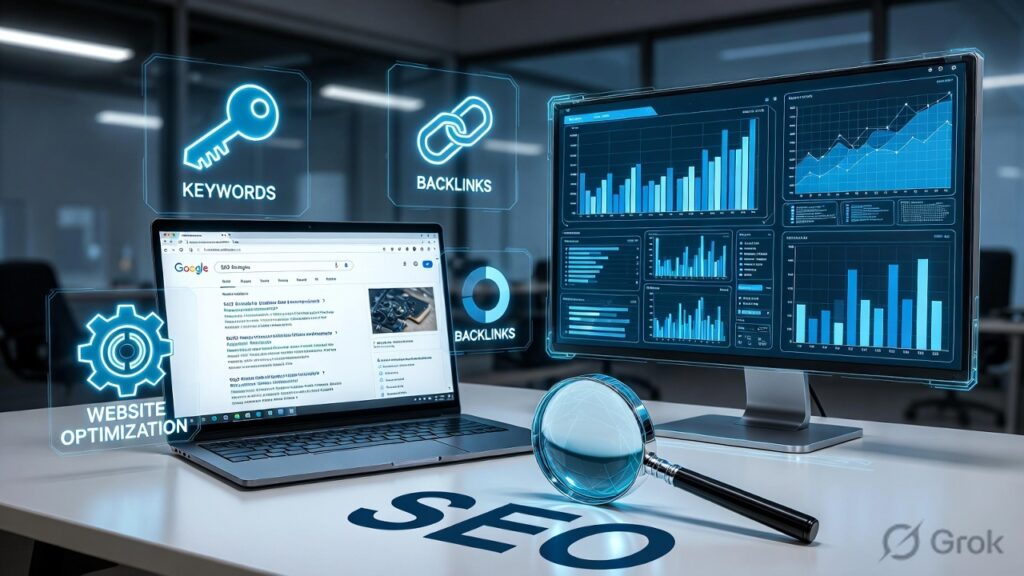
SEO (Search Engine Optimization) is the process of optimizing your website or content so that it ranks higher on search engines like Google, Bing, and Yahoo.
When people search for something on Google, the search engine shows a list of results. SEO helps your website appear on the first page of those results, where most users click.
Simple Definition
SEO means improving your website so search engines understand it and show it to the right audience.
For example:
If someone searches “best fitness tips”, SEO helps a fitness blog appear in the search results.
How Does SEO Work?
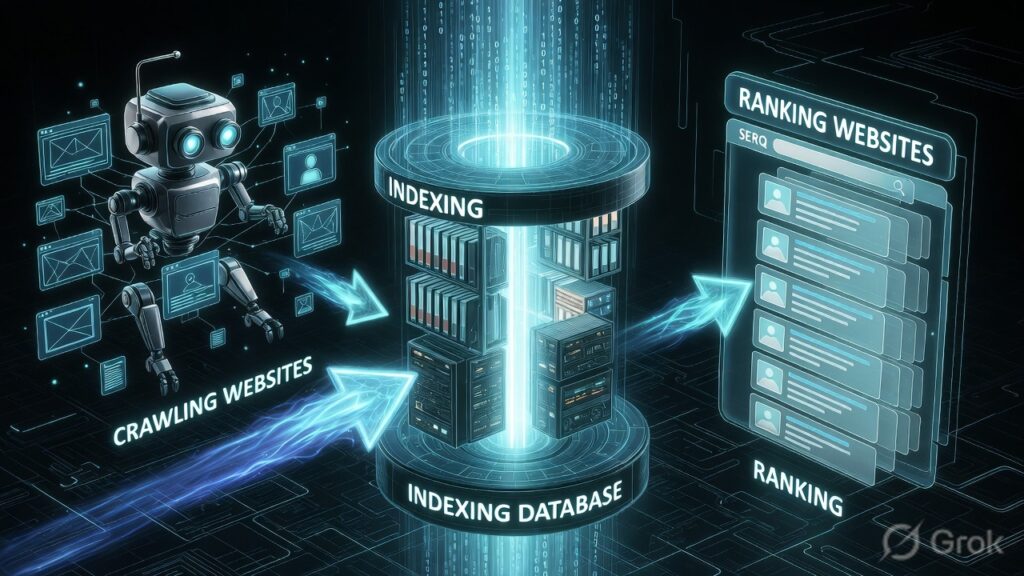
Search engines like Google use complex algorithms to decide which websites appear in search results.
These algorithms analyze many factors, such as:
• Content quality
• Keywords used in the article
• Website speed
• Mobile friendliness
• Backlinks from other websites
• User experience
Search engines crawl websites, analyze their content, and then rank them based on relevance and quality.
Types of SEO
1. On-Page SEO
On-page SEO refers to optimizing elements inside your website or webpage.
It focuses mainly on improving content and structure.
Key On-Page SEO Factors
• Proper use of keywords
• Writing high-quality content
• Optimizing titles and headings
• Using meta descriptions
• Adding internal links
• Optimizing images
Example:
If you write a blog about digital marketing, you should include related keywords naturally throughout the article.
2. Off-Page SEO
Off-page SEO refers to activities done outside your website to improve its authority and ranking.
The most important factor in off-page SEO is backlinks.
Examples of Off-Page SEO
• Getting backlinks from other websites
• Social media sharing
• Guest blogging
• Brand mentions
• Influencer collaborations
The more high-quality websites linking to your content, the more search engines trust your website.
3. Technical SEO
Technical SEO focuses on improving the technical aspects of a website so search engines can easily crawl and index it.
Important Technical SEO Factors
• Website speed
• Mobile optimization
• Secure website (HTTPS)
• Proper site structure
• XML sitemap
• Fixing broken links
Technical SEO ensures that search engines can access and understand your website properly.
Simple SEO Tips for Beginners
• Write helpful and detailed content
• Use clear headings and subheadings
• Add relevant keywords naturally
• Optimize images with alt text
• Improve website loading speed
• Make your website mobile-friendly
• Build quality backlinks
Consistency is the key to SEO success.